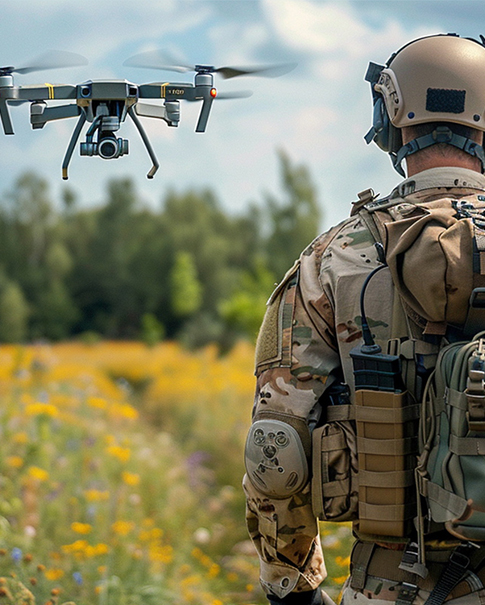
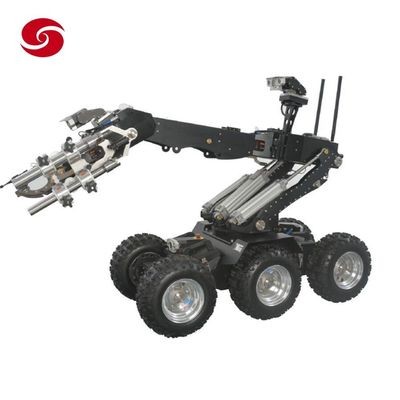
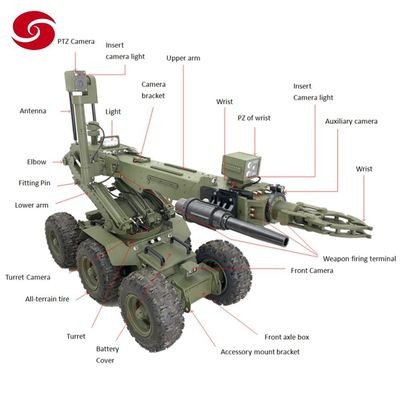
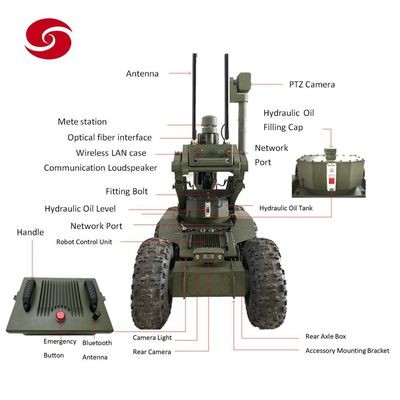
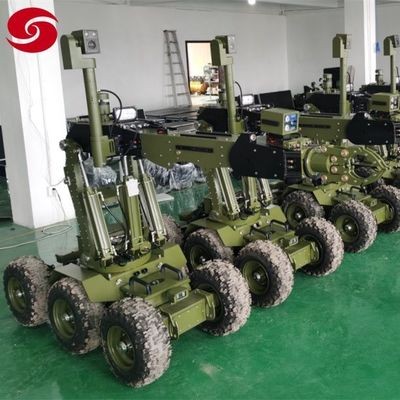
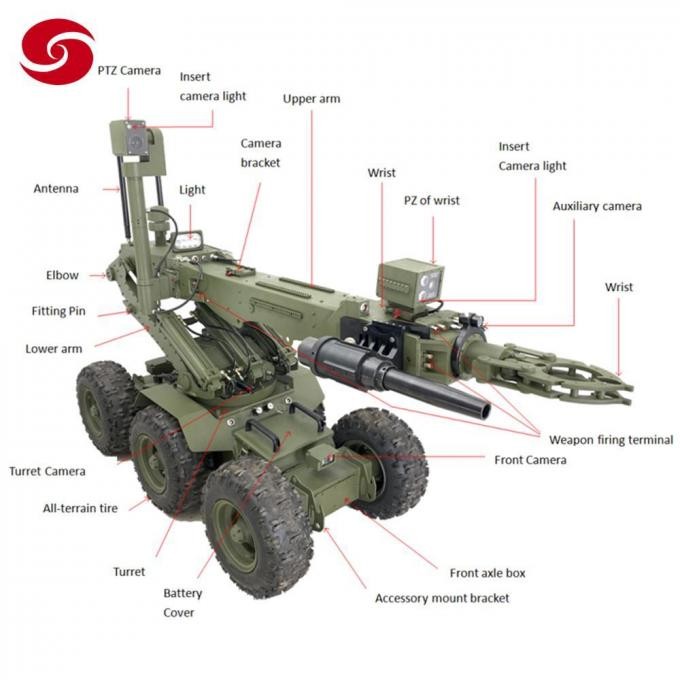
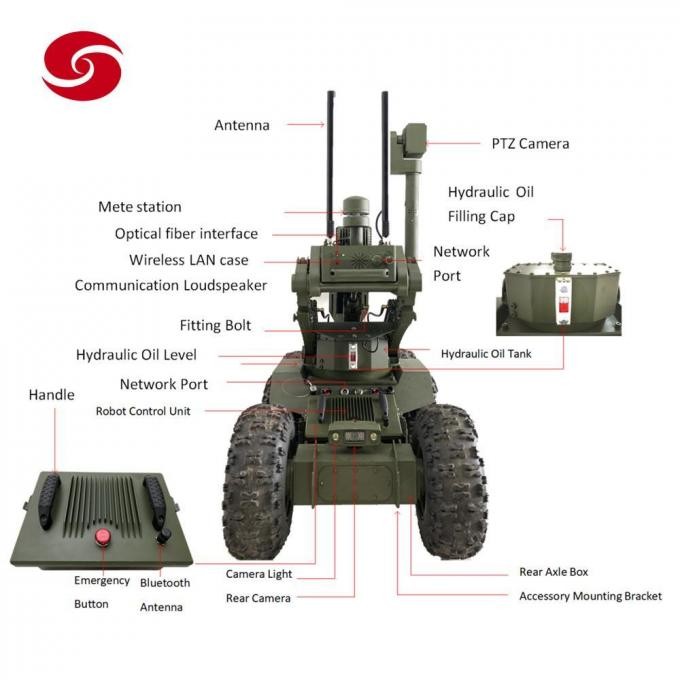
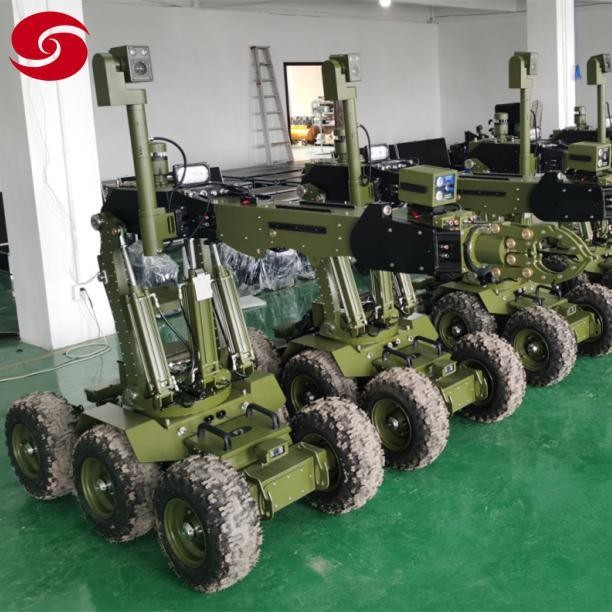
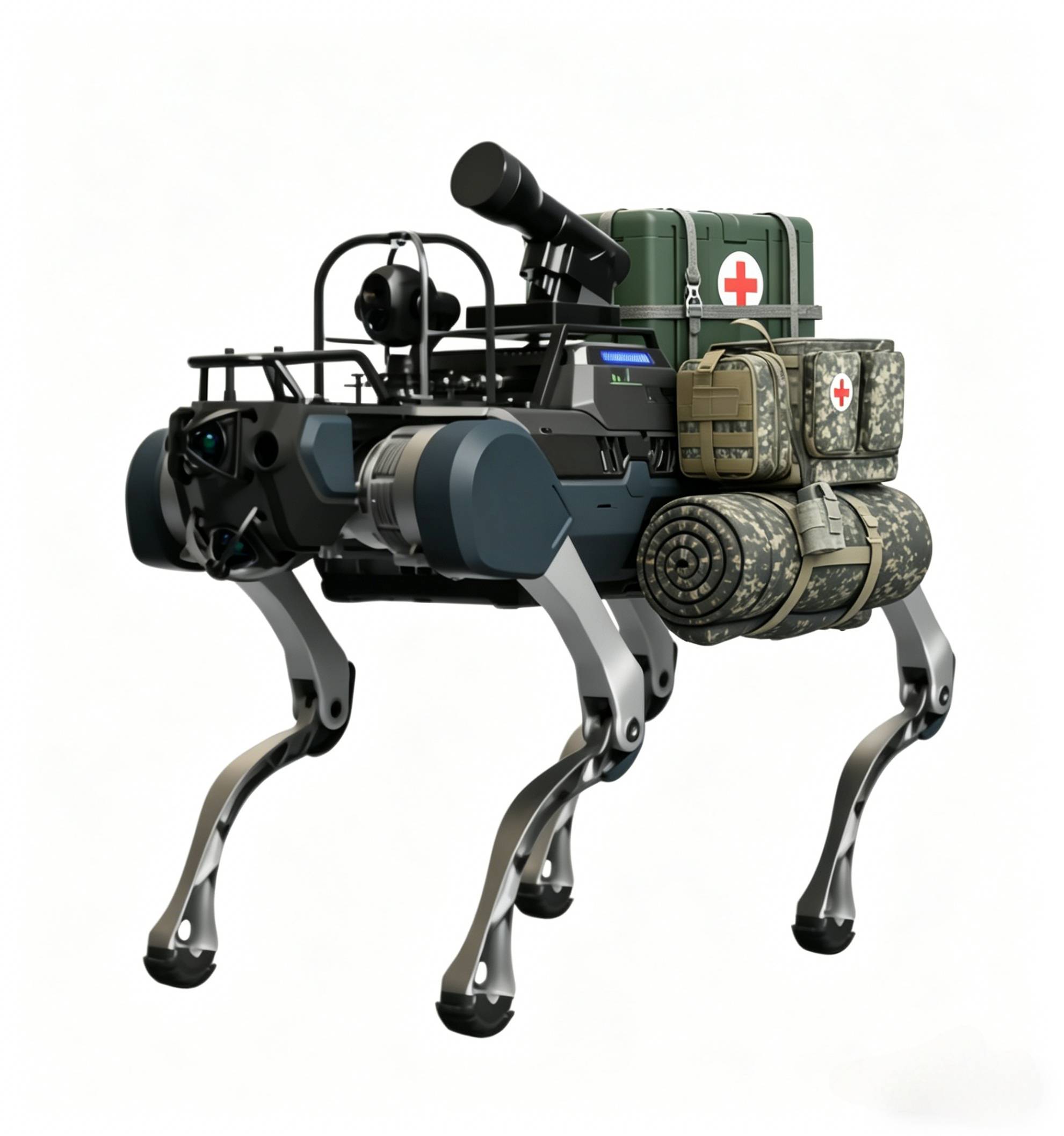
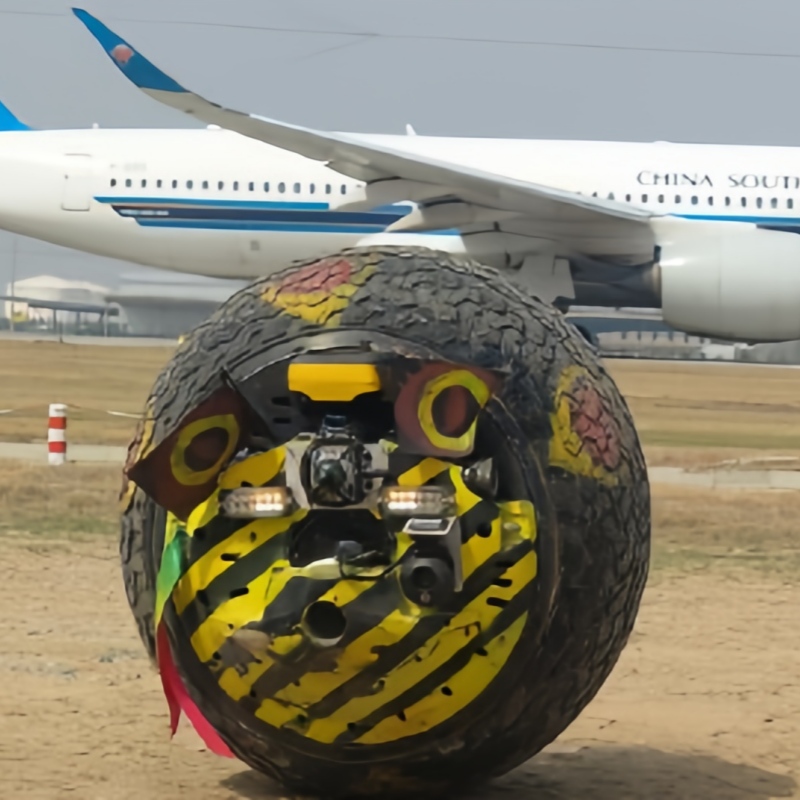
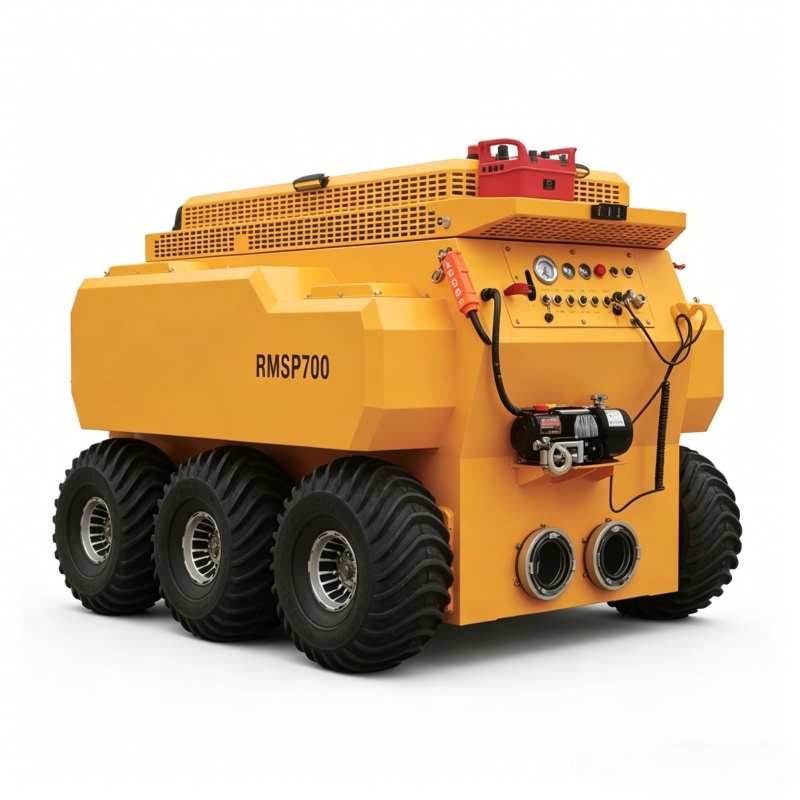
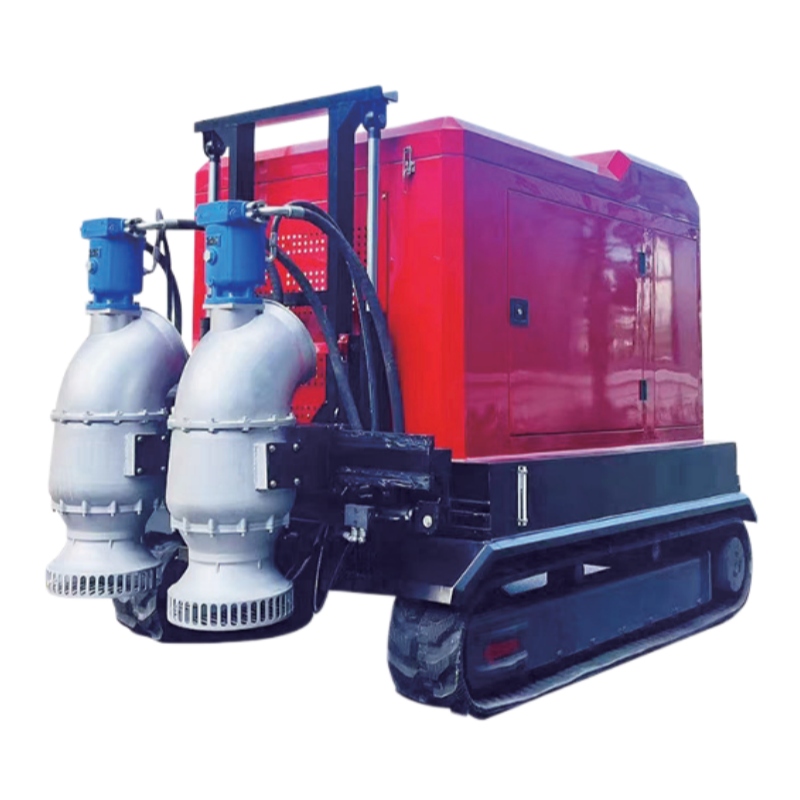
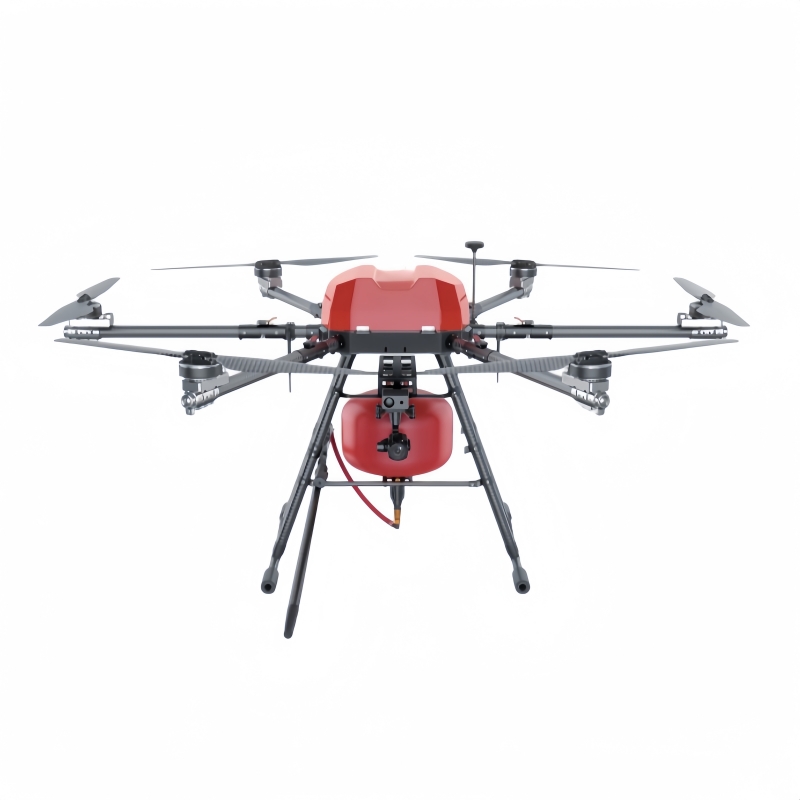
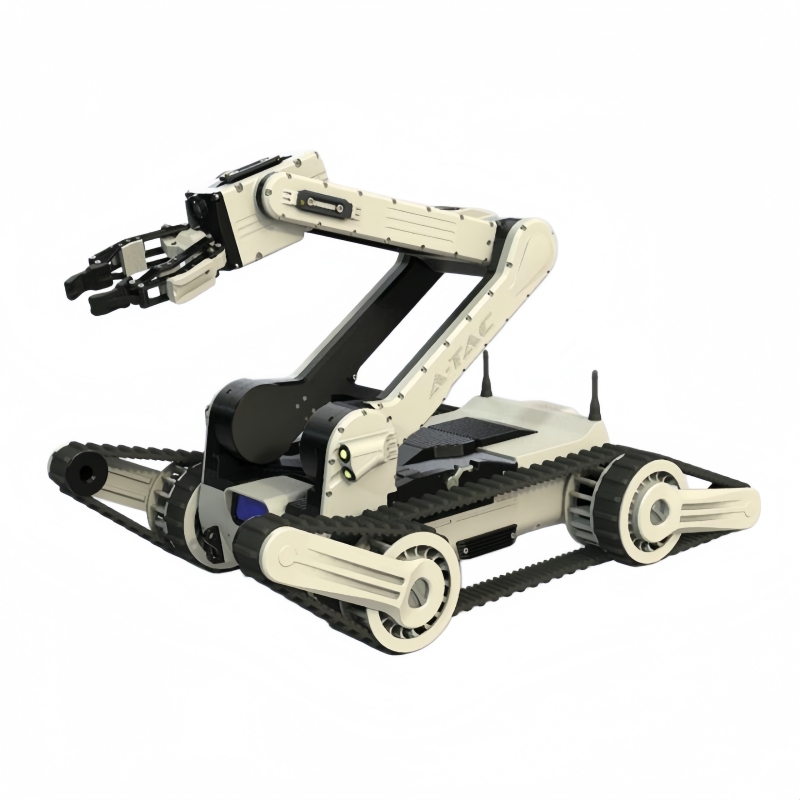
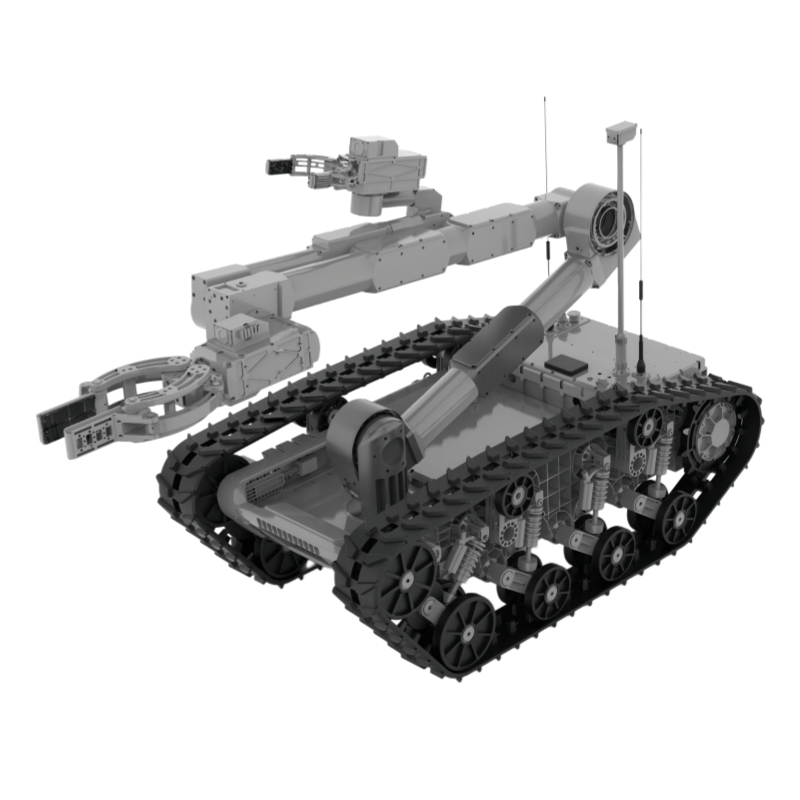
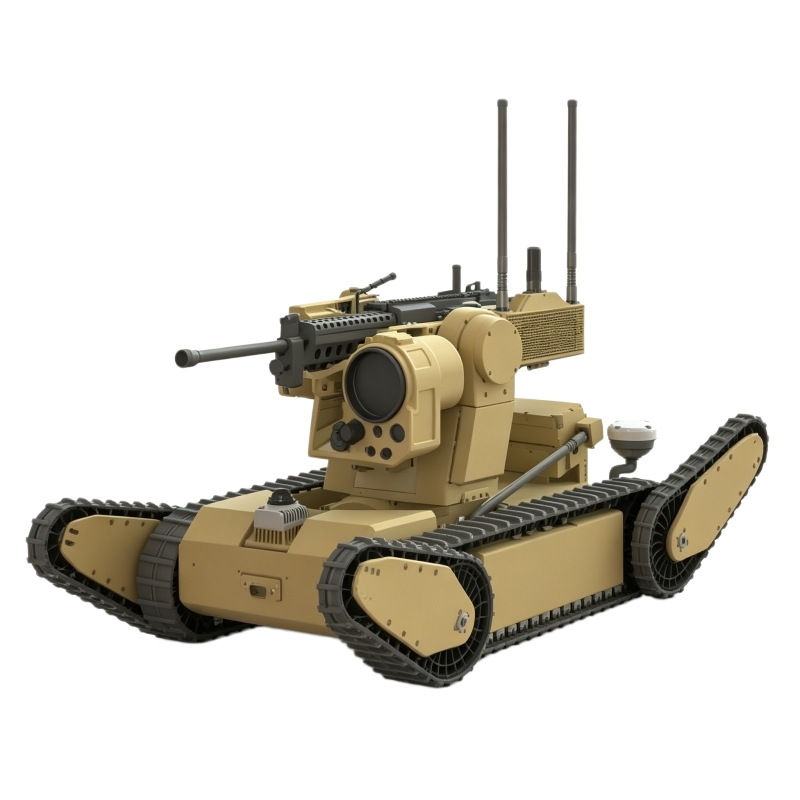
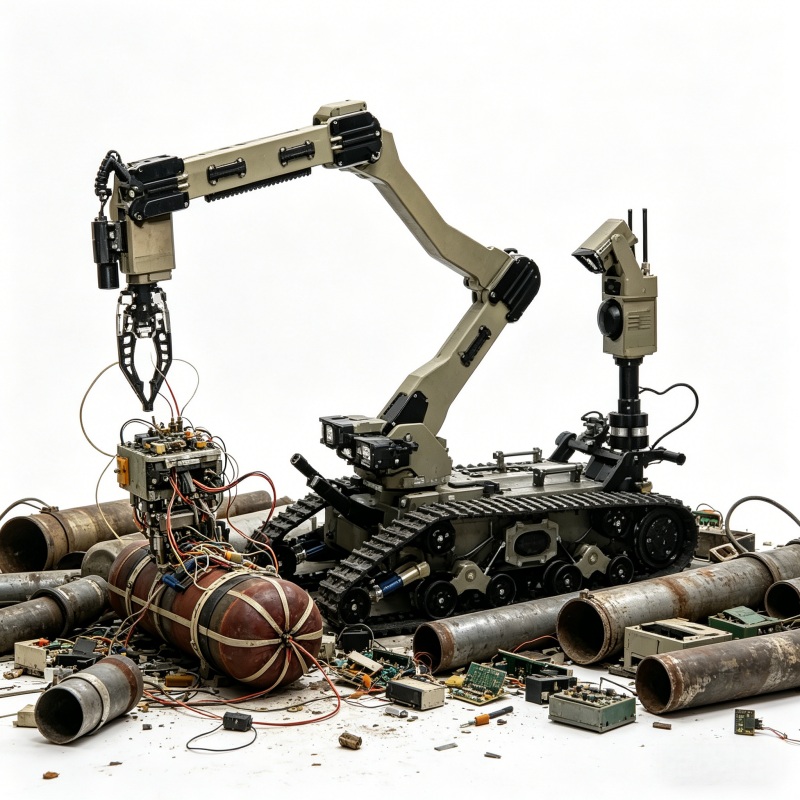
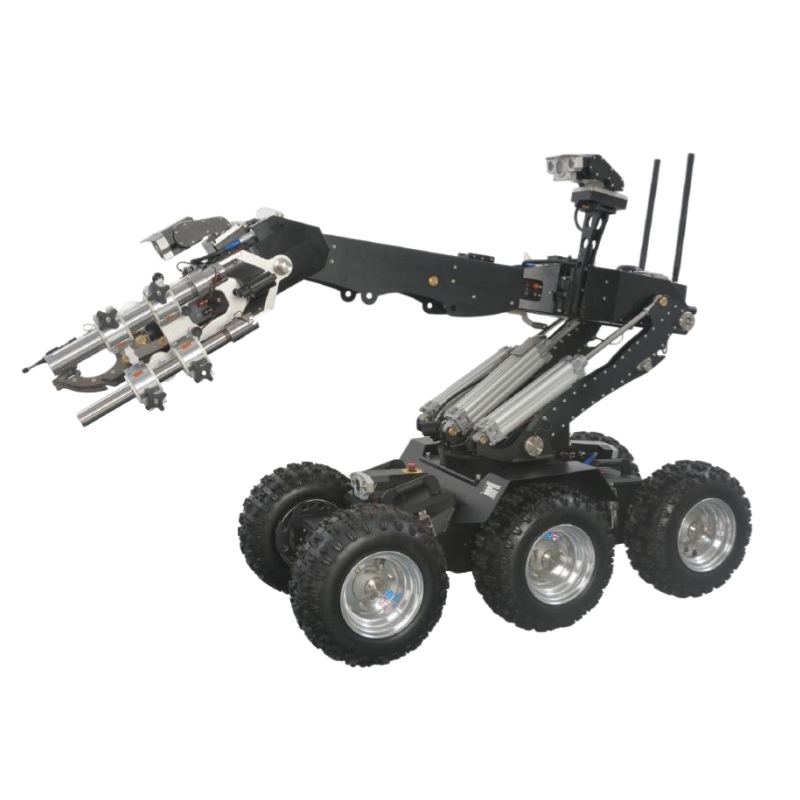
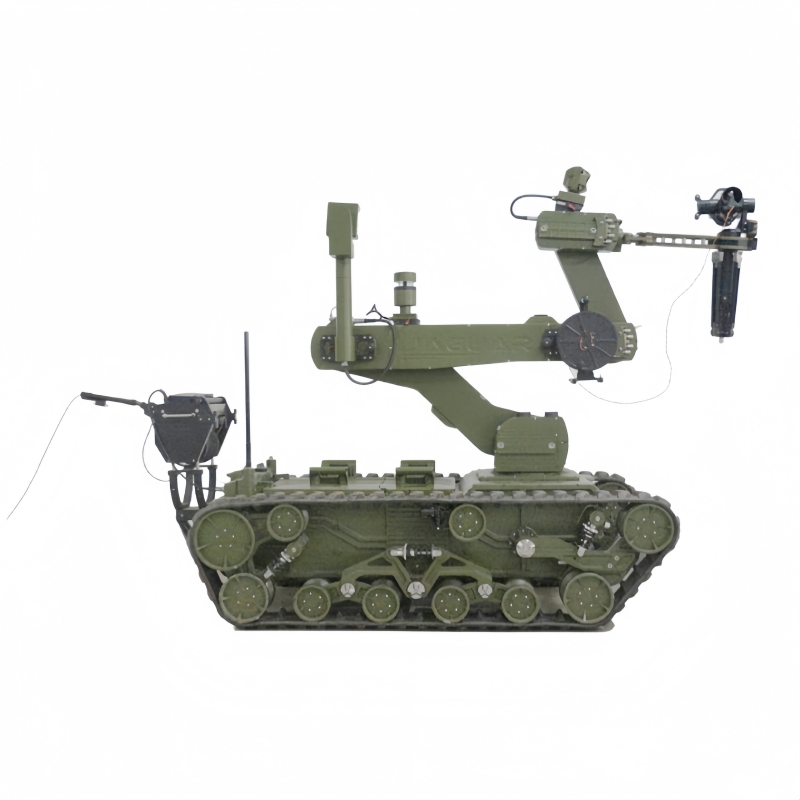
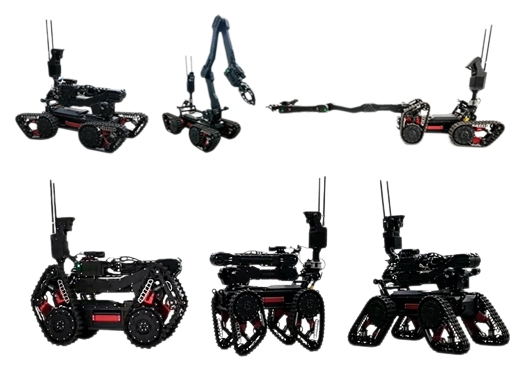
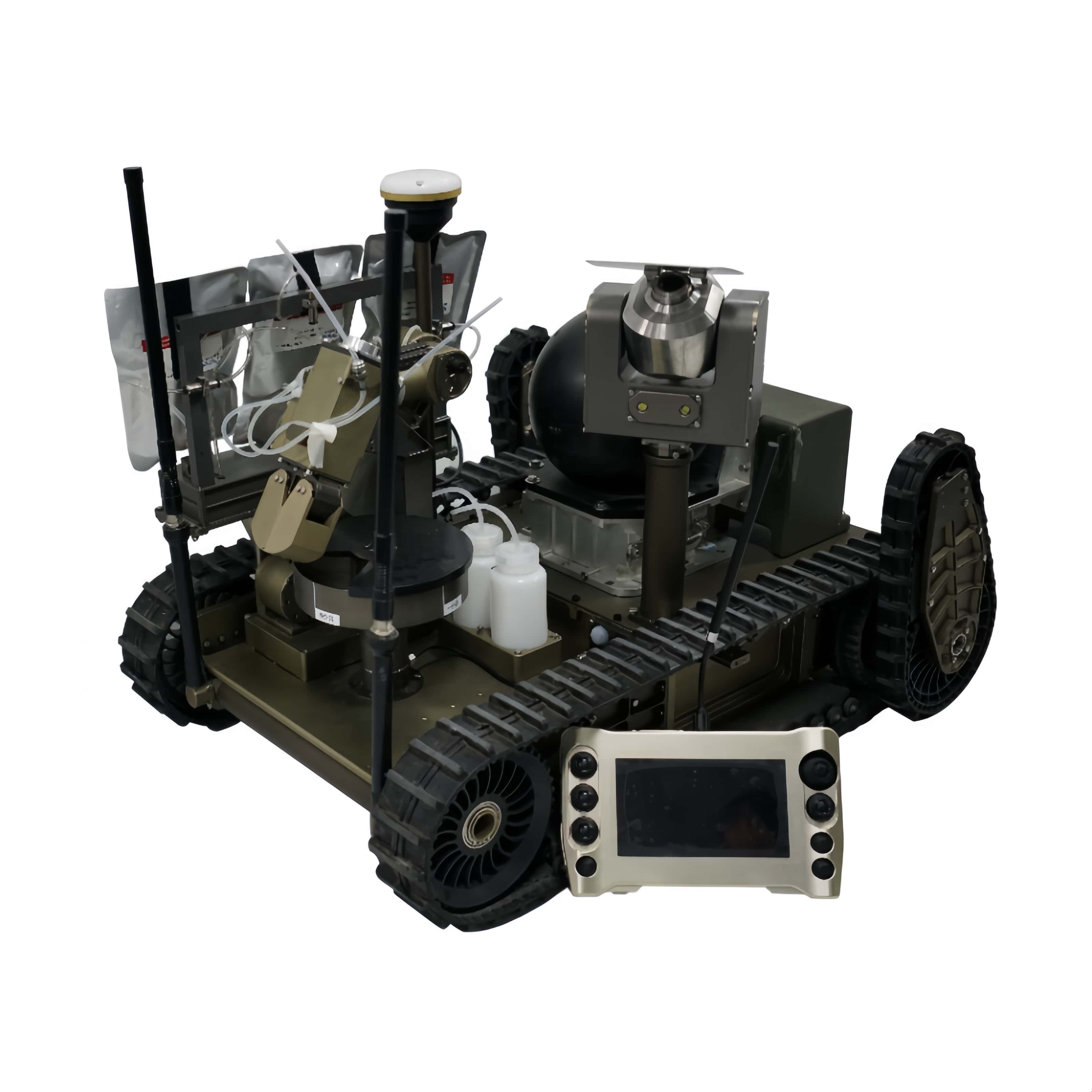
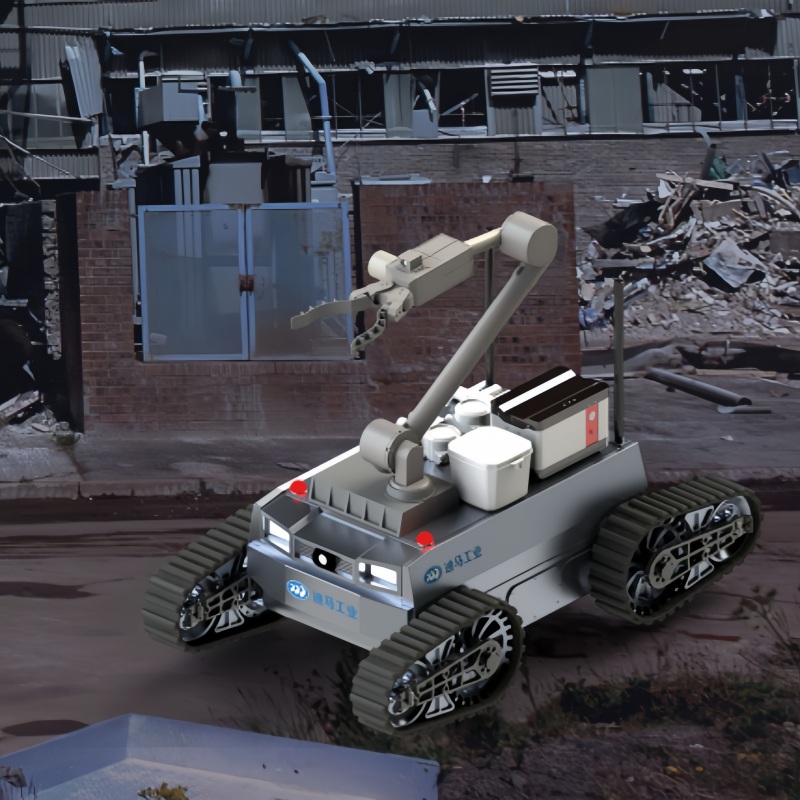
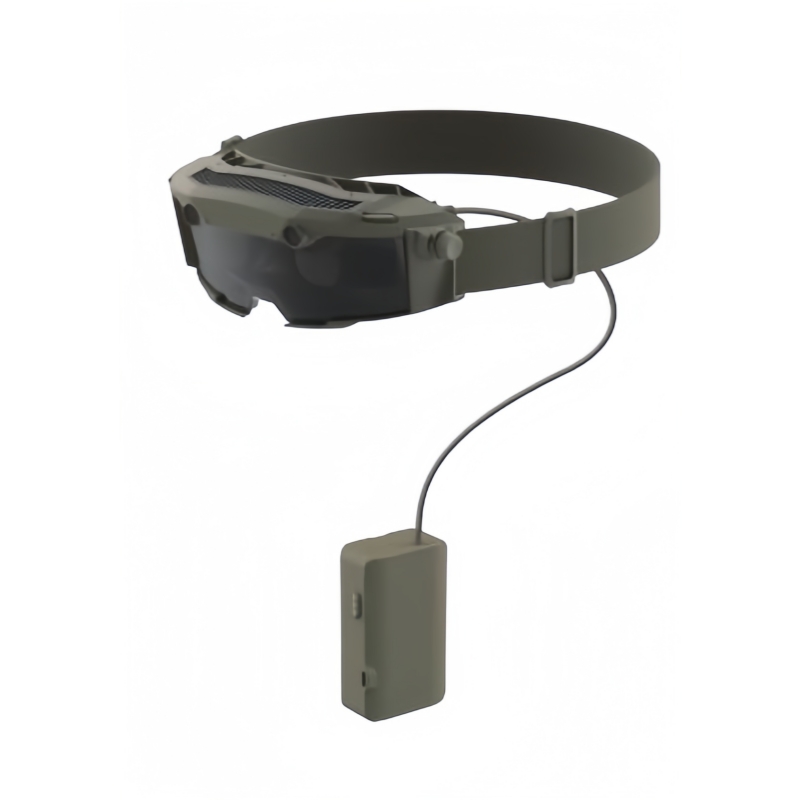
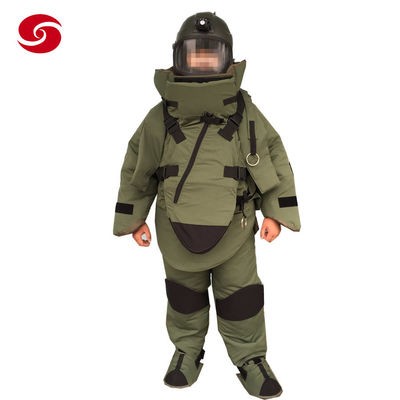
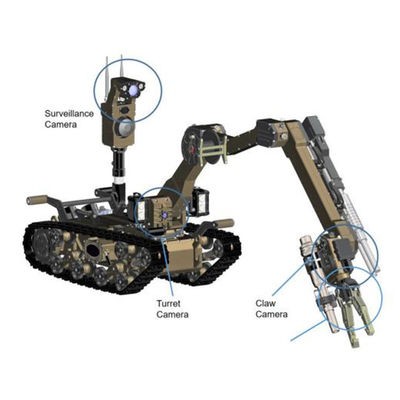
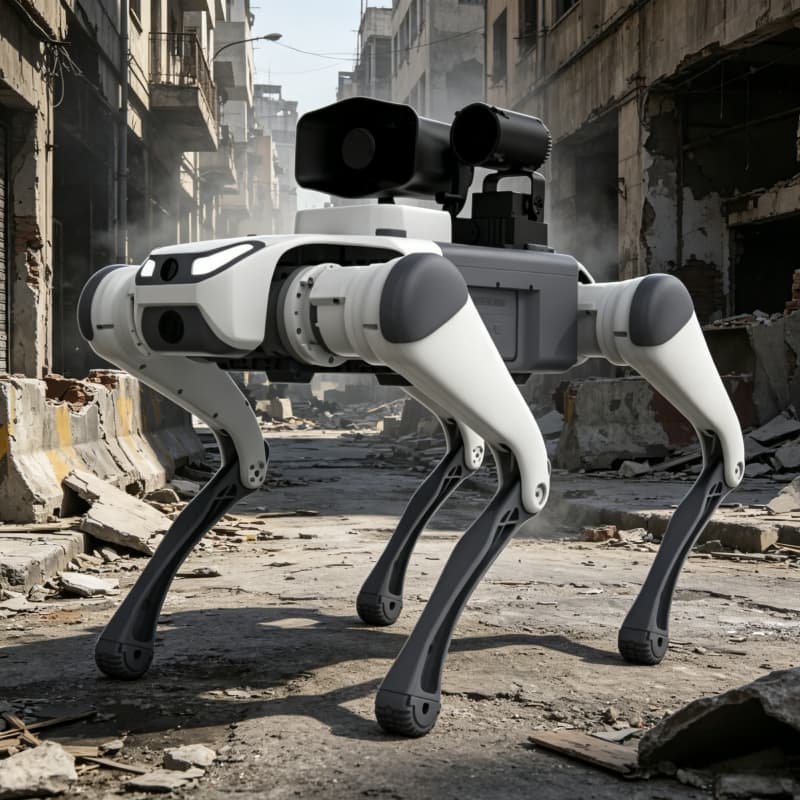
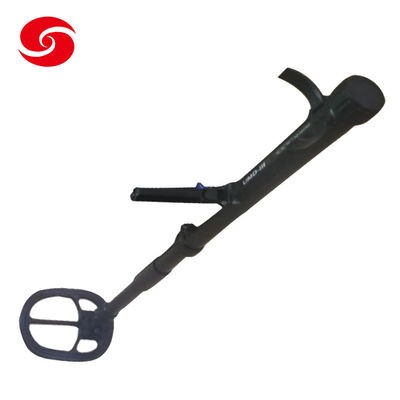
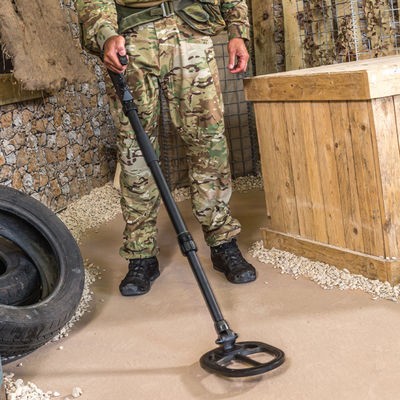
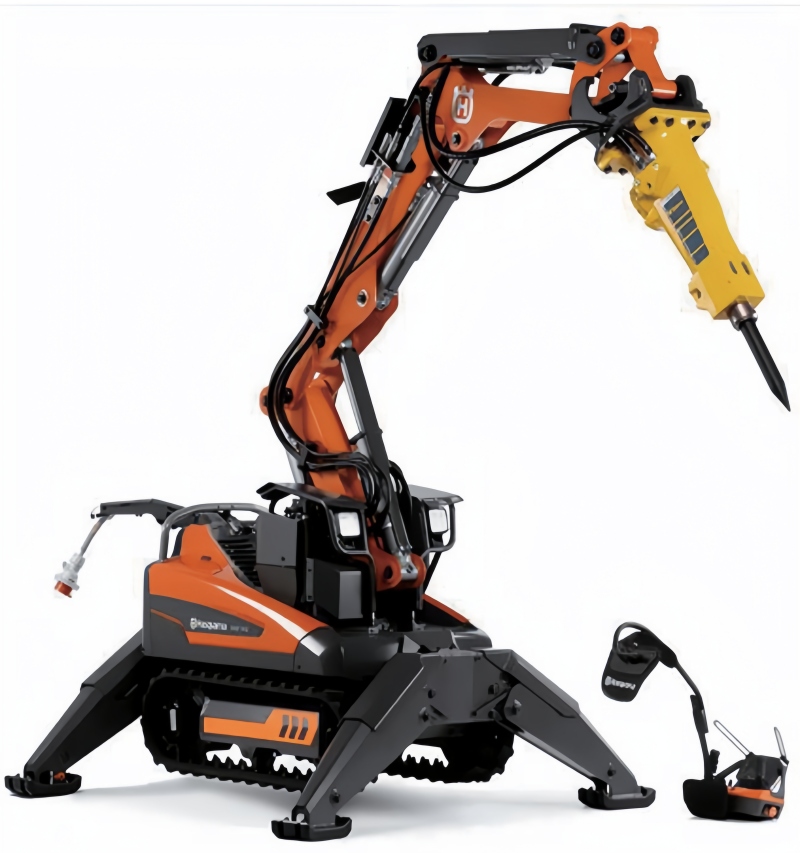
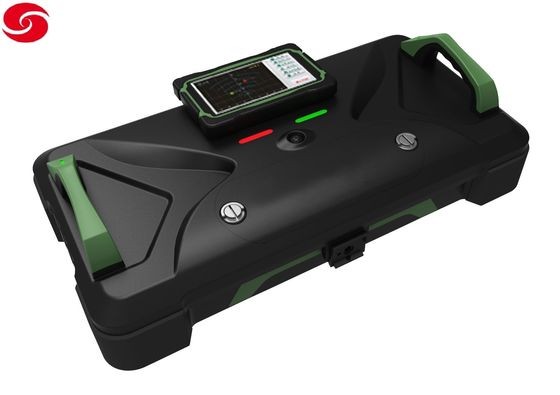
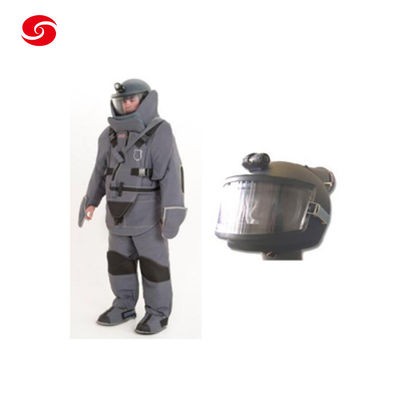
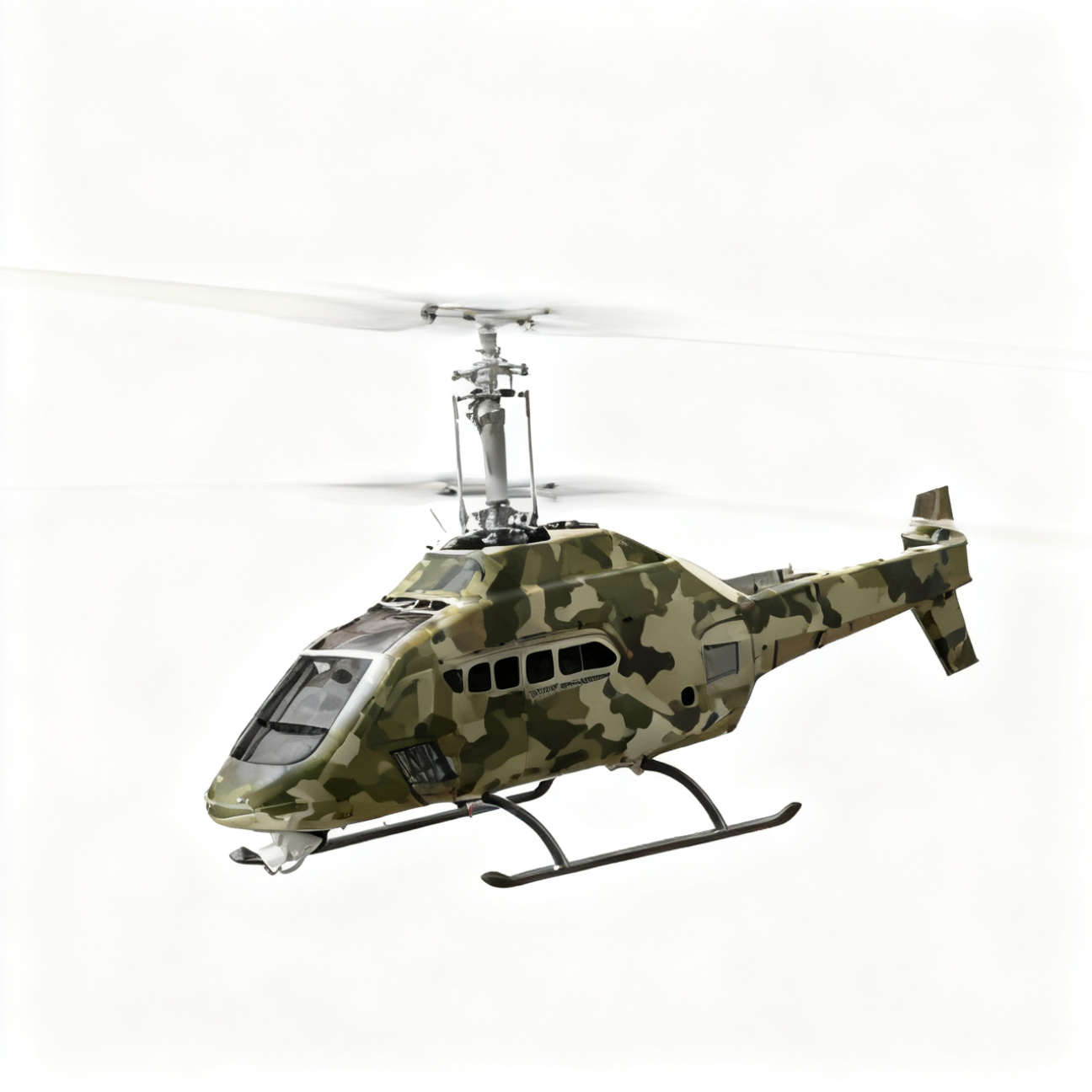
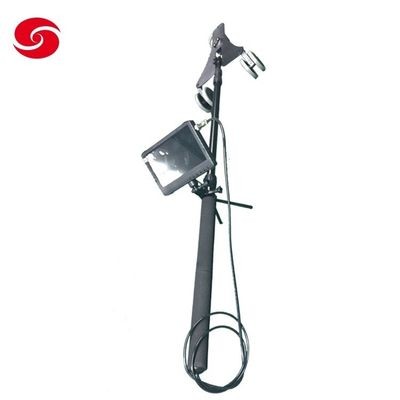
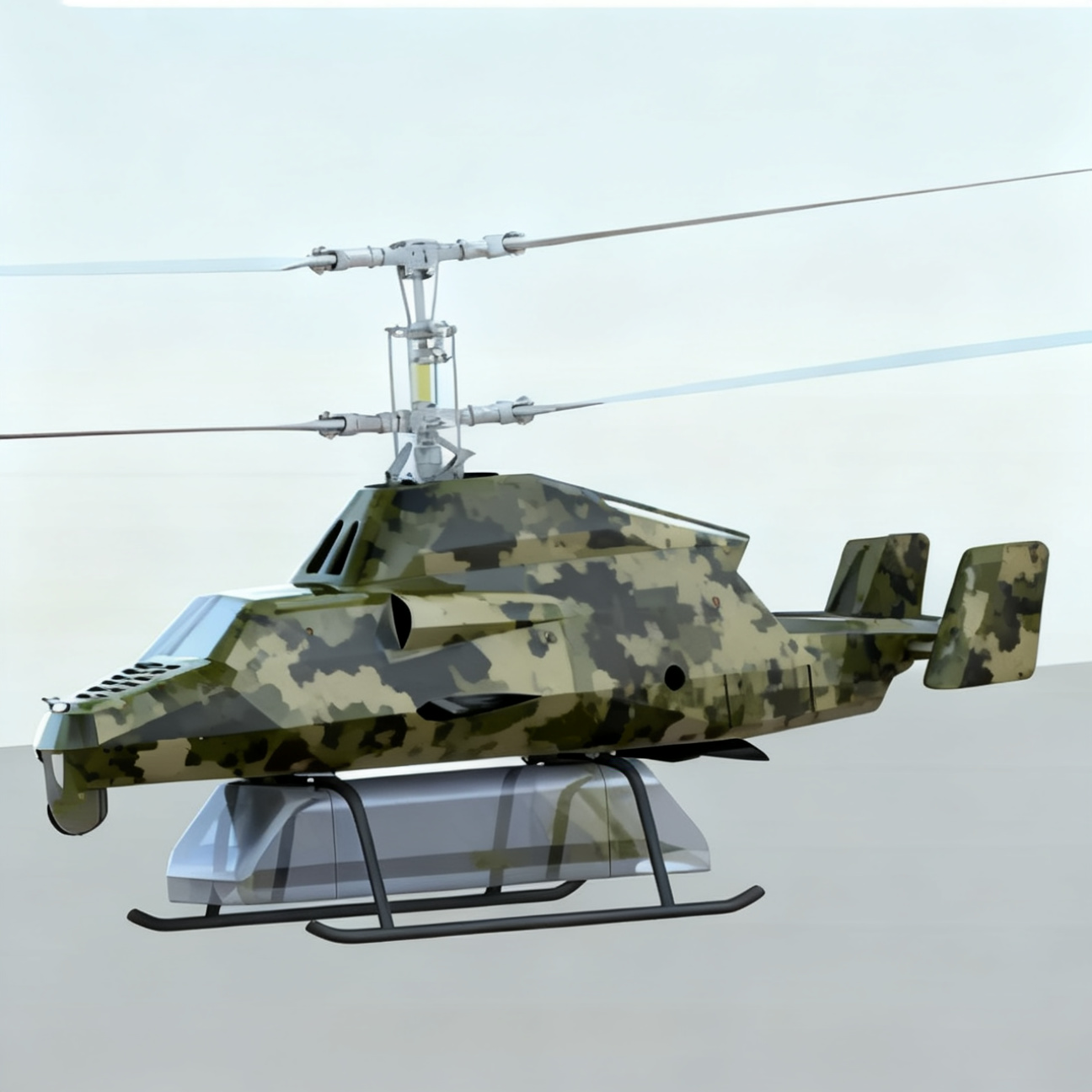
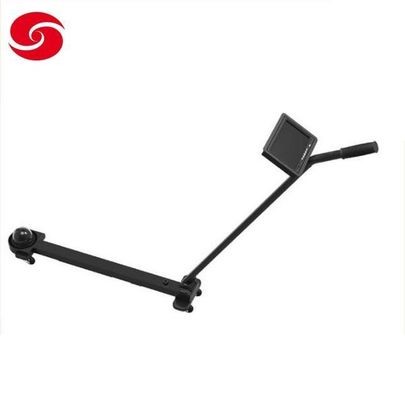
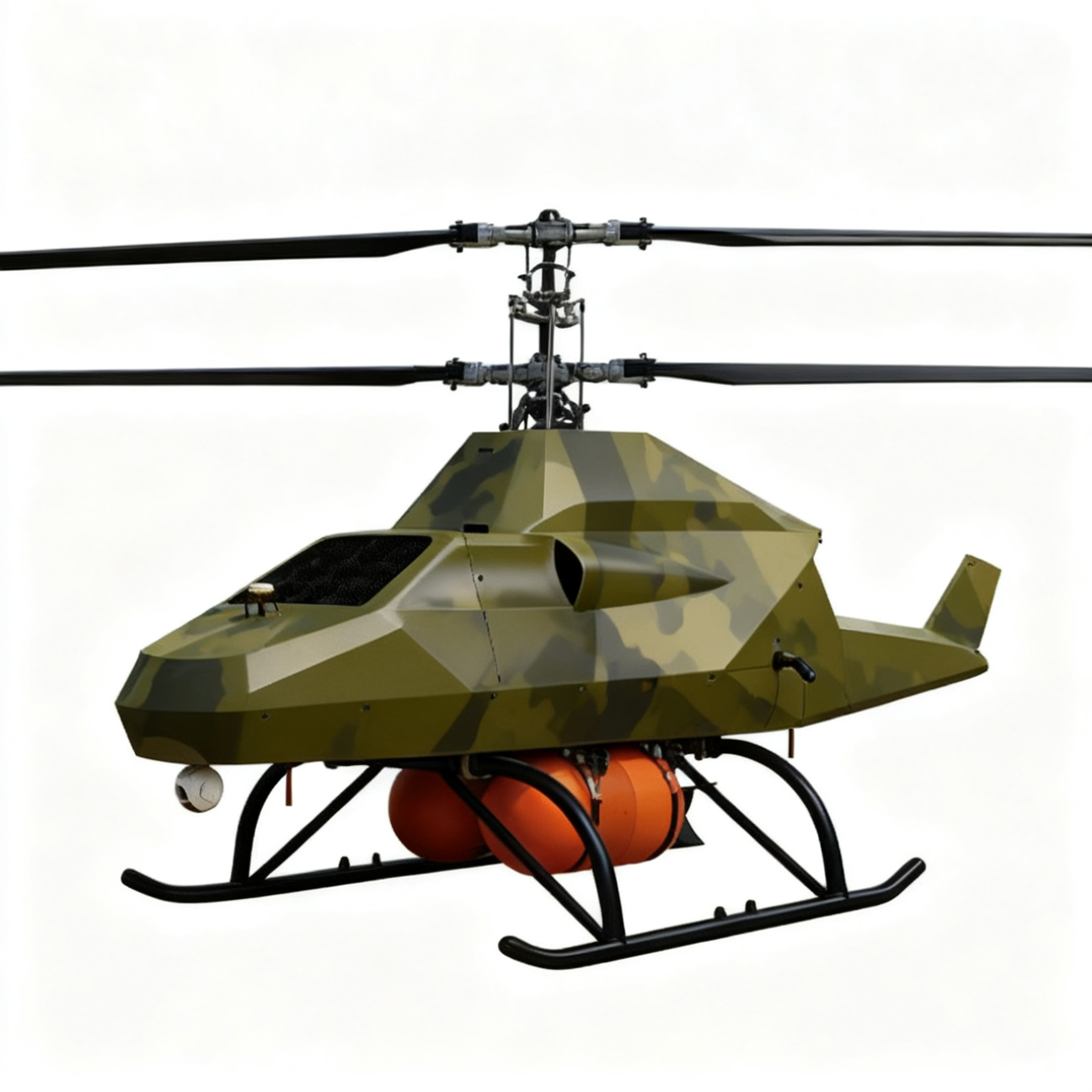
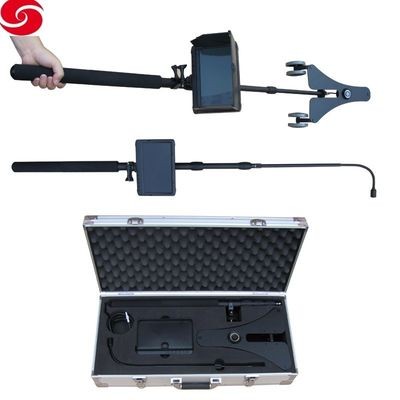
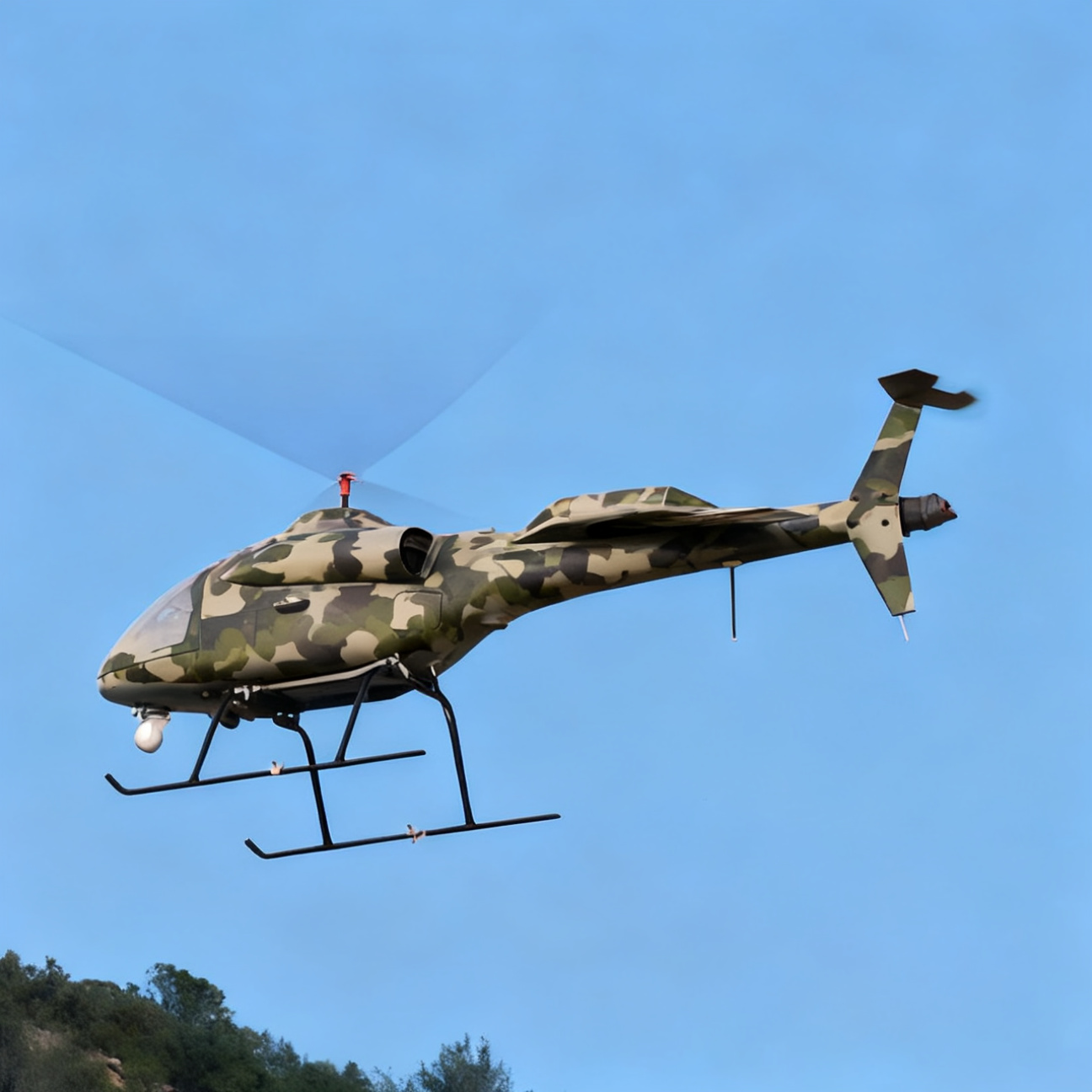
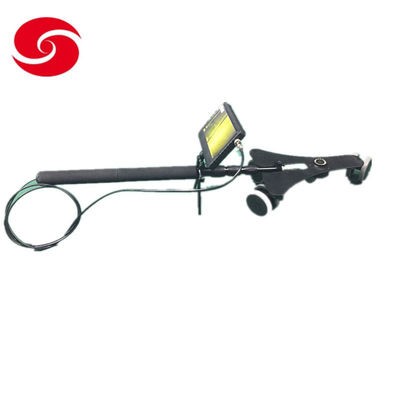
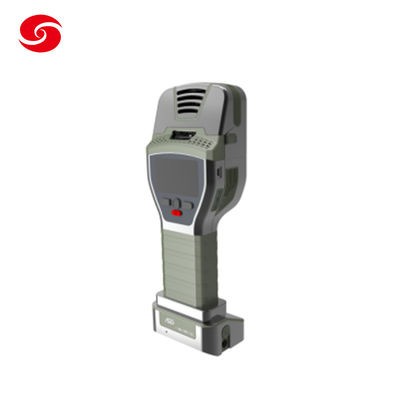
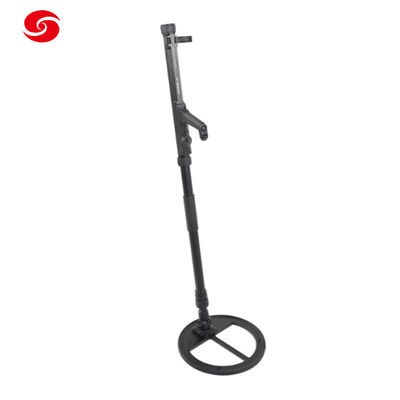
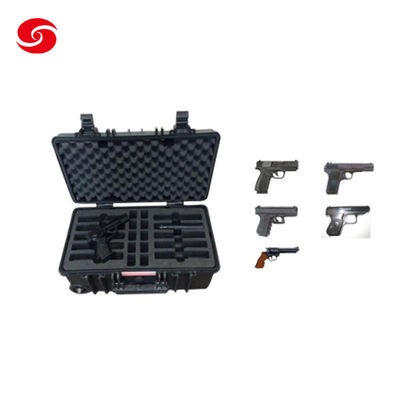
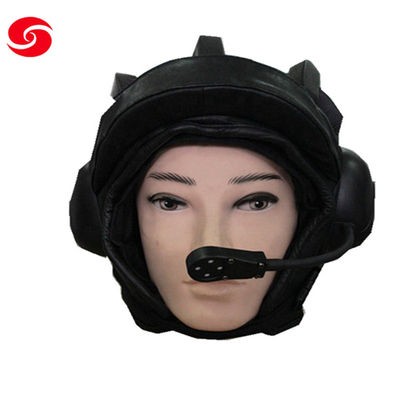
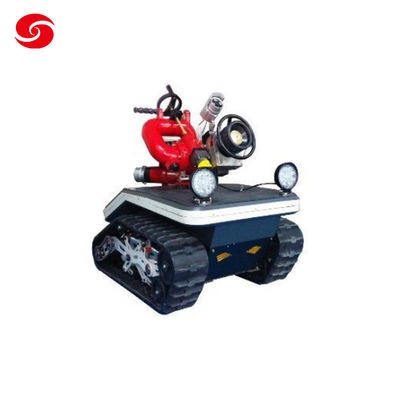
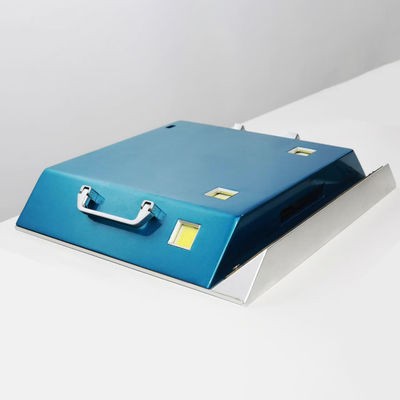
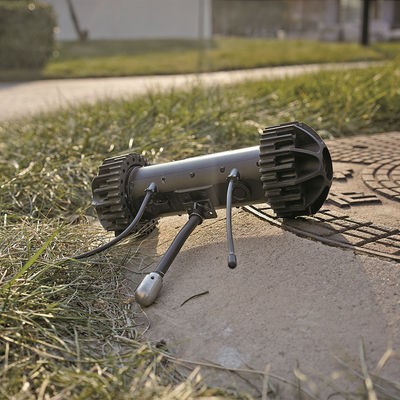
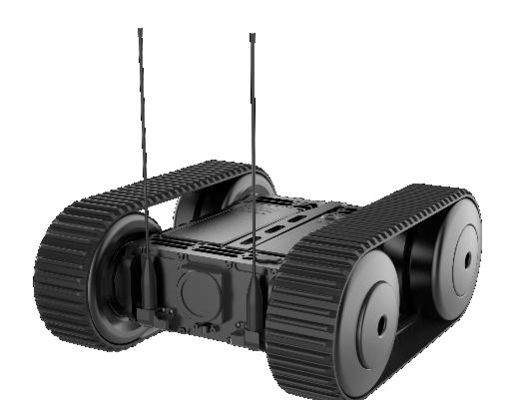
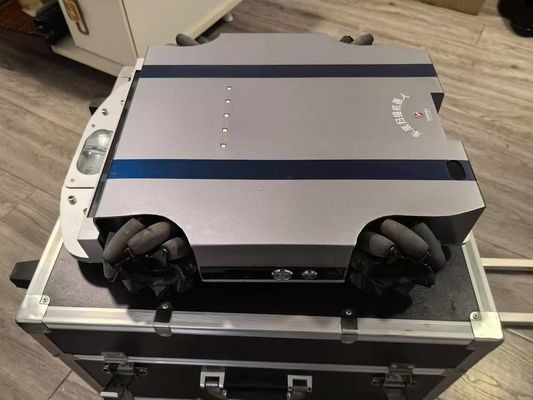
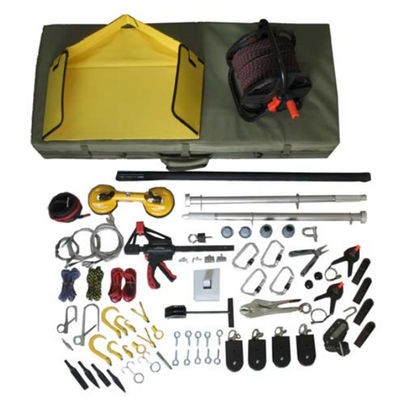
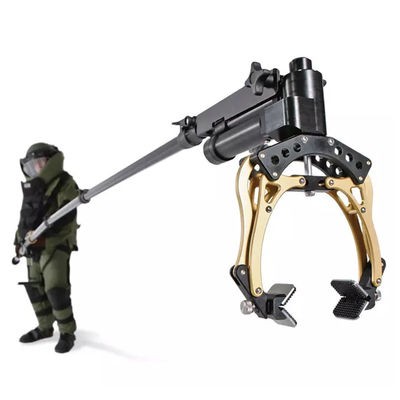
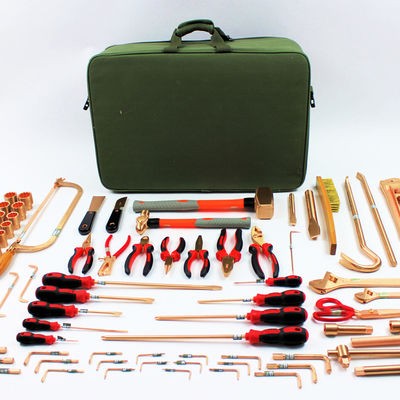
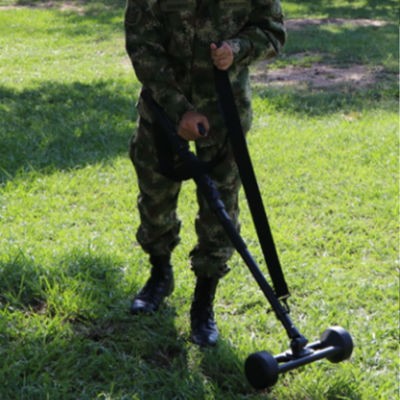
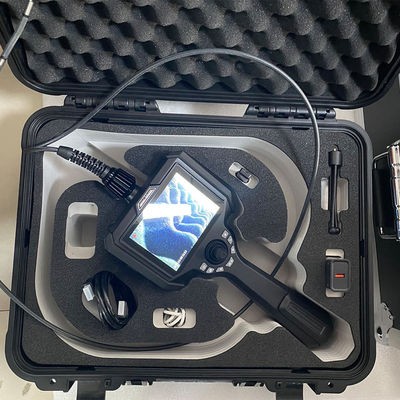
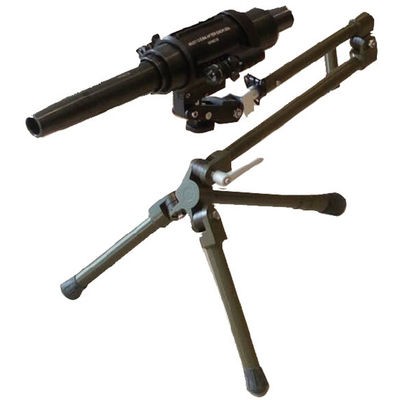
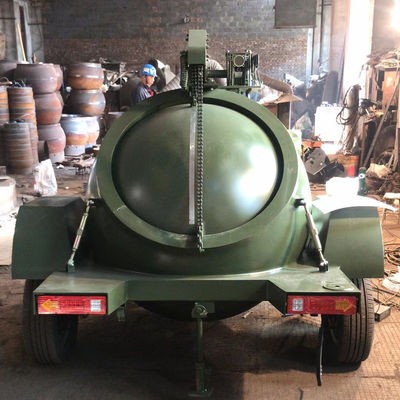
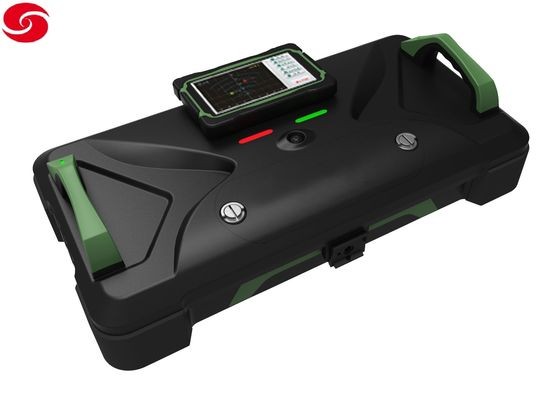
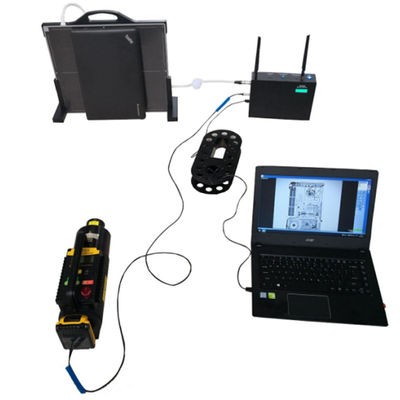
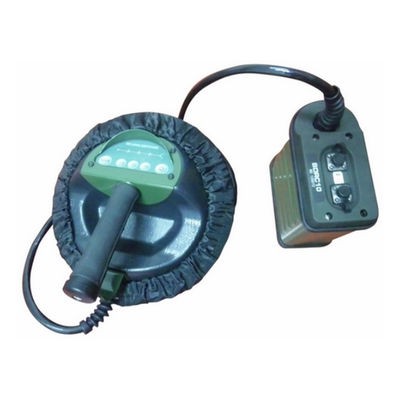
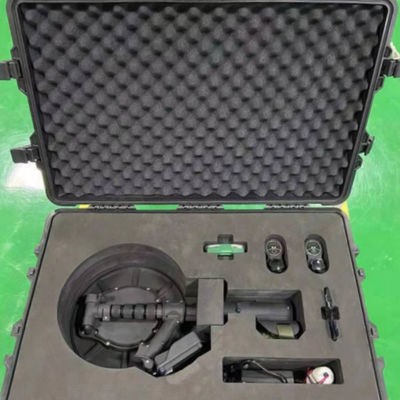
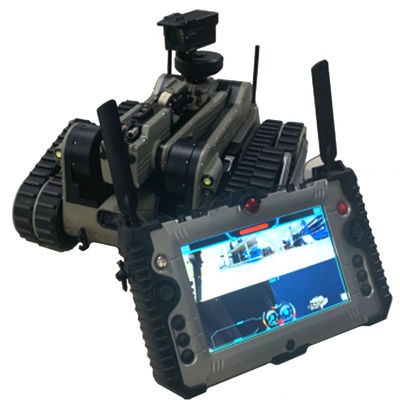
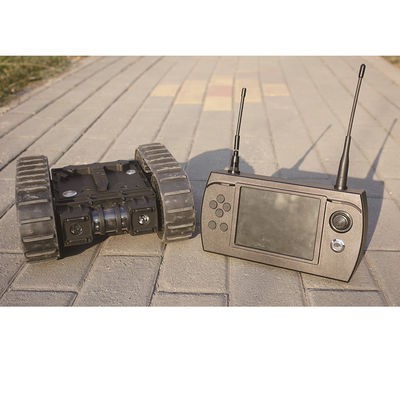
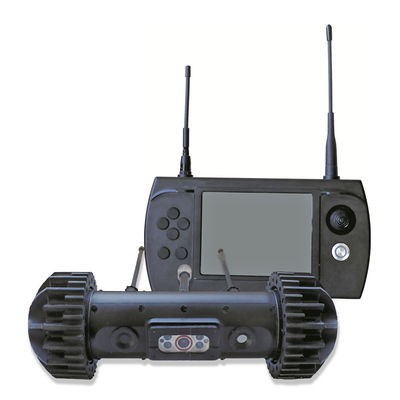
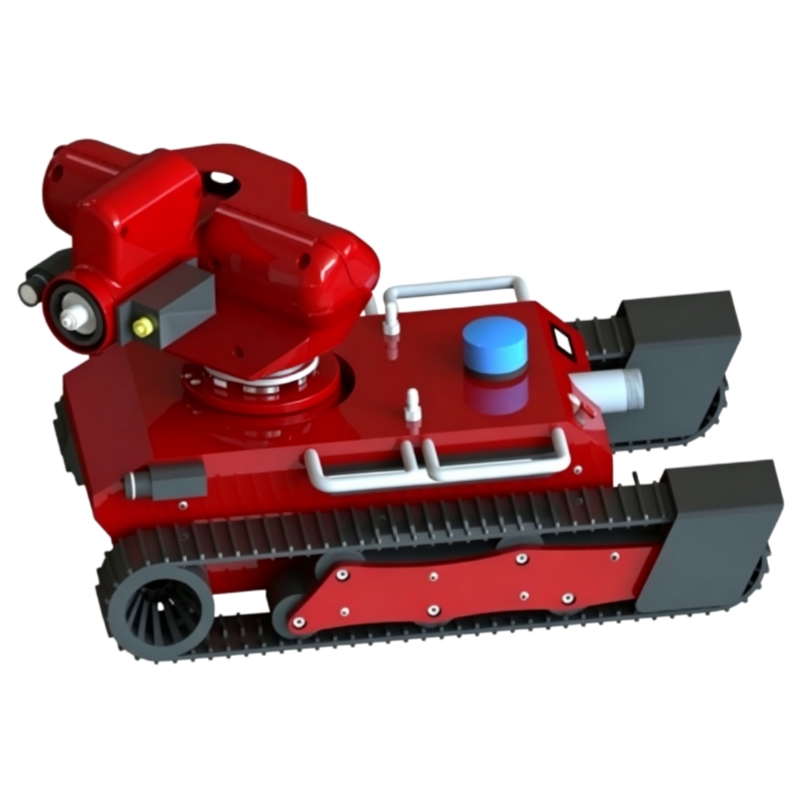
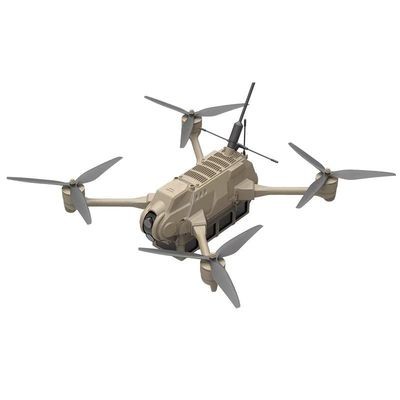
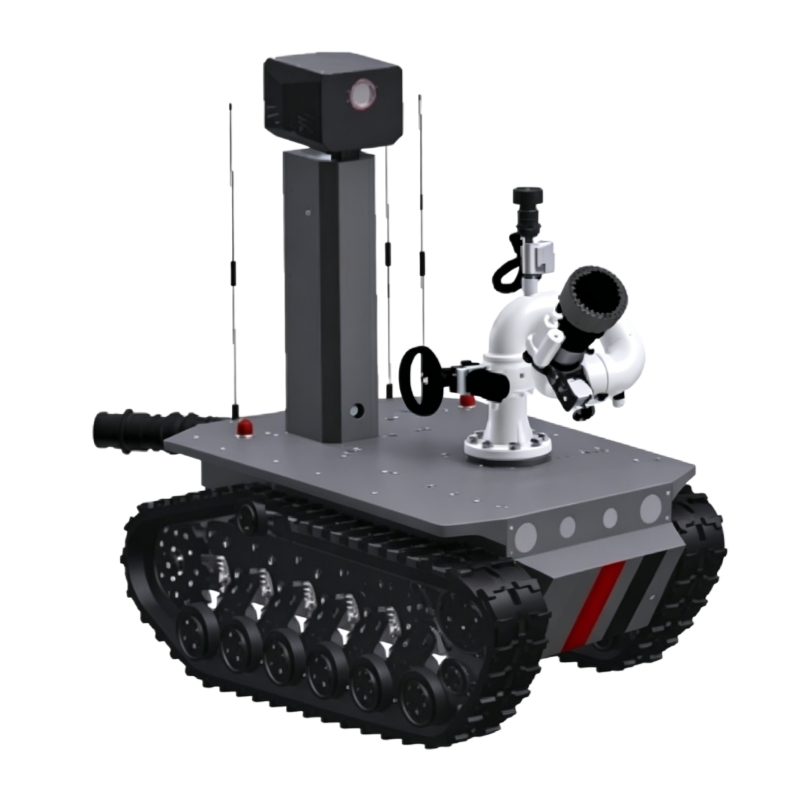
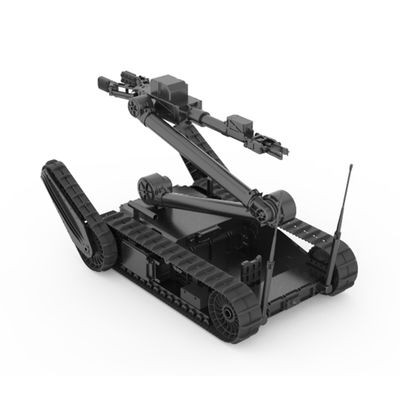
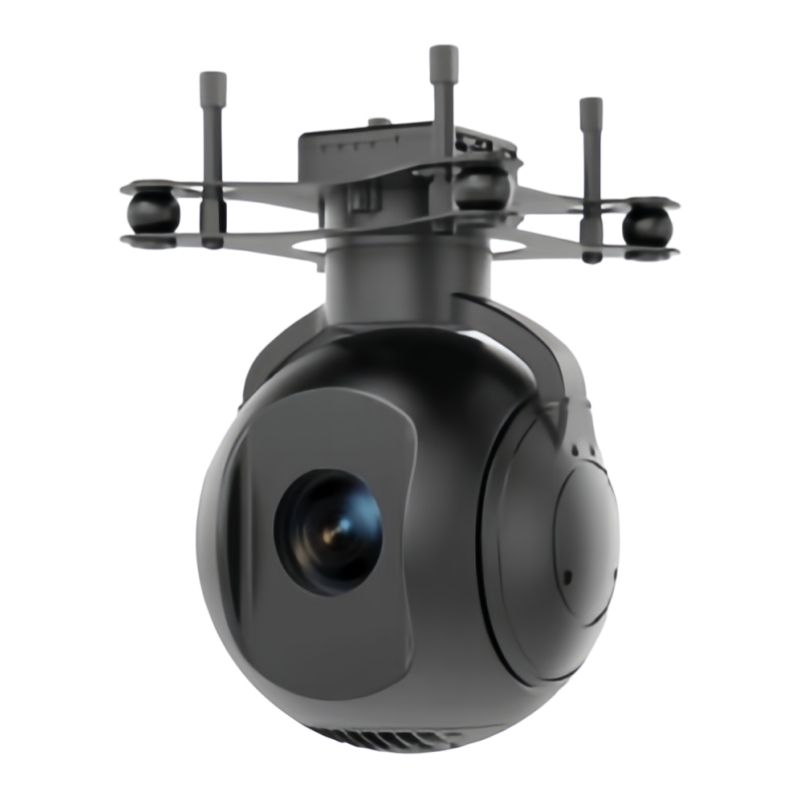
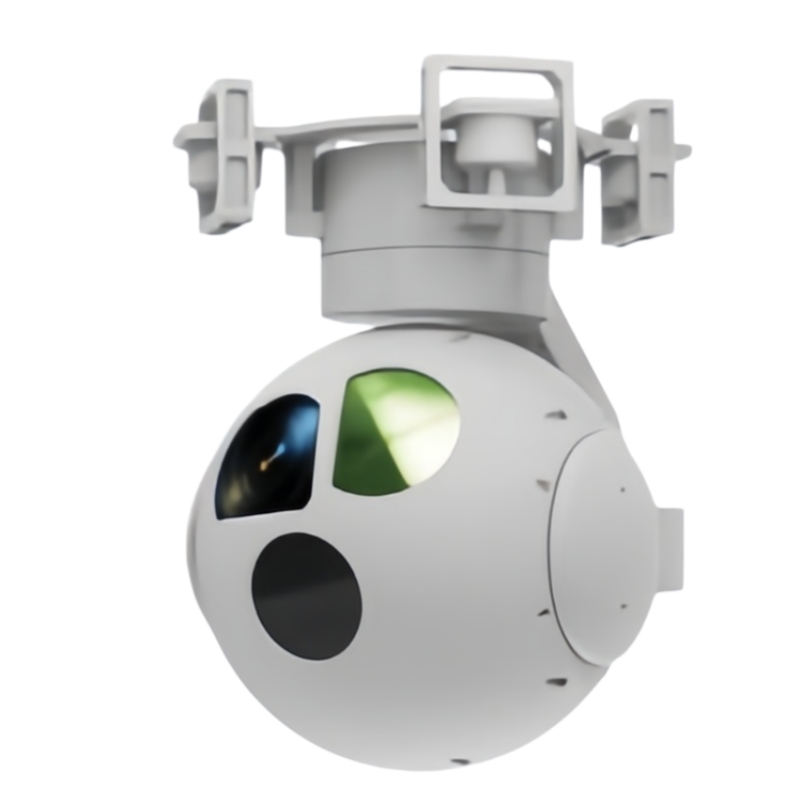
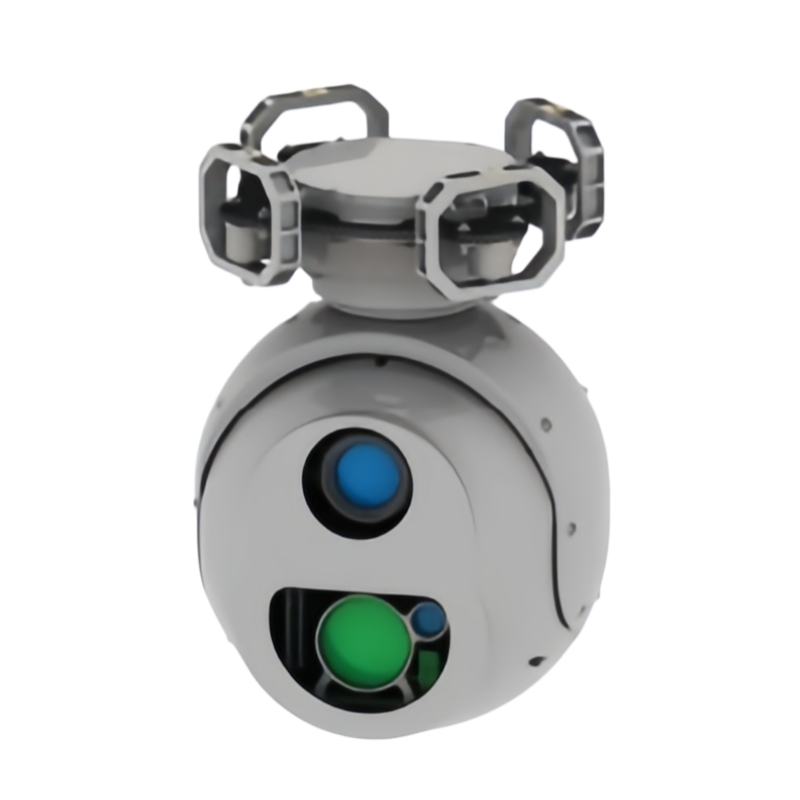
A bomb disposal robot performs several critical functions: it conducts reconnaissance to assess threats from a safe distance using cameras and sensors; it can manipulate objects with robotic arms to disarm bombs, cut wires, or move suspicious items; and it can destroy explosives using disruptors or water cannons. Some models can also carry weapons or act as surveillance platforms.
It is not autonomous — it's a remote-controlled telepresence platform.
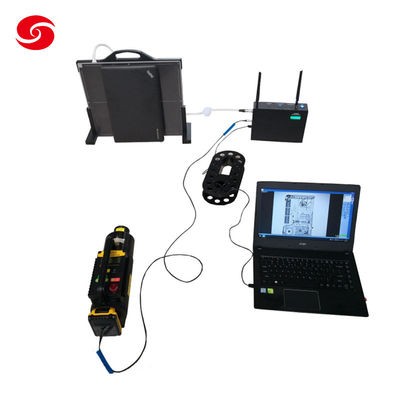
Operator sits 50–300 m away, drives it in, uses cameras/X-ray to inspect the device, then:
Sometimes just gives eyes so humans don't walk in.
In modern warfare, explosive ordnance disposal (EOD) is not merely a logistical support task; it is a core combat operation. EOD technicians deeply participate in various combat actions, often deployed and operating in conjunction with infantry and special operations forces, facing enemy firepower attacks and playing a crucial role in doubling the combat effectiveness.
On the battlefields of Iraq and Afghanistan, the core combat duties of EOD personnel include eliminating road explosion hazards, dealing with improvised explosive devices (IEDs) under enemy fire threats, conducting intelligence collection after explosions, and recovering residual ammunition from vehicles and aircraft. In the current Ukrainian battlefield, the combat environment is more complex. New high-risk equipment such as EOD cluster weapons, drones, and RX-24 type landmine traps are widely used on the battlefield, posing even greater challenges to EOD operations.
In addition, the combat tasks of EOD personnel also cover various high-risk operations such as explosive ordnance disposal in war zones, clearing bombed areas, and emergency responses to nuclear weapons. They face all kinds of battlefield risks throughout the process and are indispensable key forces in frontline combat.
What branch has the best EOD?
There is no absolute best. Each military branch's EOD (Explosive Ordnance Disposal) unit has its own specific focus:
- Navy EOD: The only one with the capabilities of diving, airborne operations, and embedded special operations. It is a special forces unit, offering the highest bonus and benefits, and can collaborate with SEALs/DEVGRU operations. It has the strongest elite attributes.
- Army EOD: The largest in size and widest deployment range. It excels in large-scale operations and road clearance.
- Air Force EOD: Specializes in base defense and nuclear-related tasks, with a high proportion of overseas theater missions, but the bonus is lower.
- Navy Marine Corps EOD: Focuses on ground combat, mainly dealing with explosive neutralization and recovery.
If considering the degree of special forces integration and funding investment, the Navy is the best; in terms of large-scale combat experience accumulation, the Army is stronger.
All EOD units across the entire military accept the basic training for explosive ordnance disposal provided by the Navy. The reference materials have not determined which military branch is the absolute best.